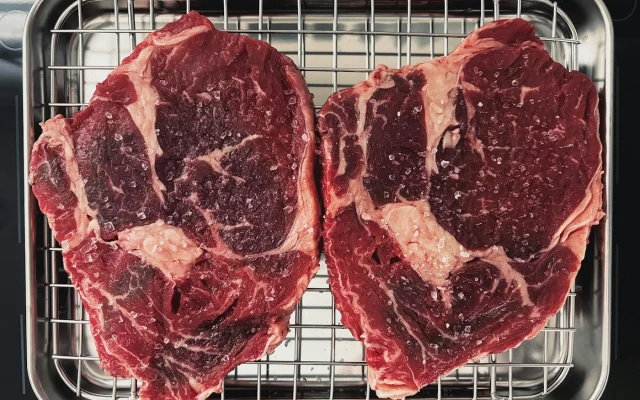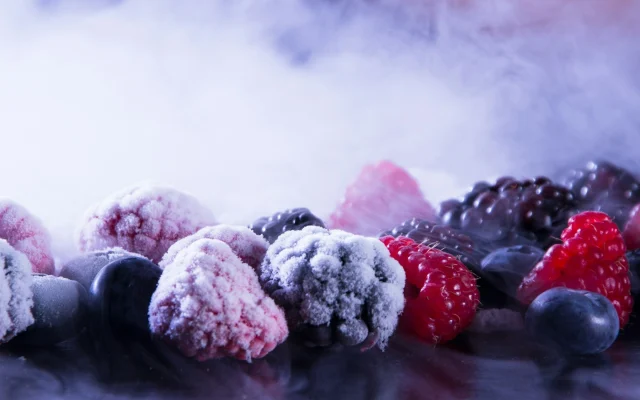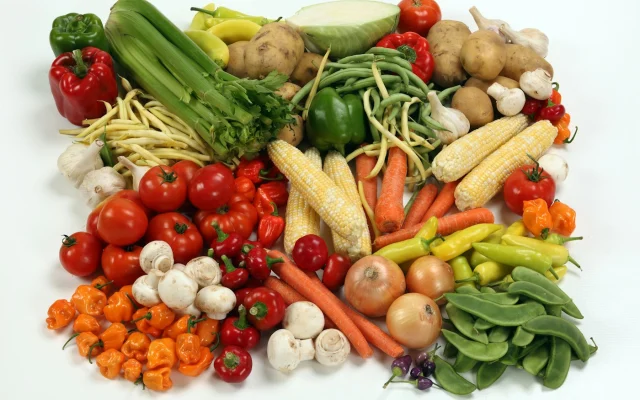
In the freezer at 0°F, vacuum-sealed food stays safe indefinitely and keeps its quality longest — often at the top end of recommended times (e.g. steaks 6–12 months). In the refrigerator, perishable raw meat, poultry and fish should still be used within standard times (1–5 days). Dry goods keep longer sealed in a cool, dark pantry. Vacuum sealing never replaces refrigeration.
You’ll see bold claims that vacuum sealing makes food last “five times longer”. It’s true that removing air slows the oxidation and moisture loss that ruin frozen and dry foods. But “lasts longer” can mean two very different things: quality (taste, texture, colour) and safety (whether harmful bacteria have grown). Vacuum sealing mainly helps quality.
The food-safety rules vacuum sealing doesn’t change
- Vacuum sealing is not a substitute for refrigeration or freezing of perishable food, according to the National Center for Home Food Preservation.
- It doesn’t kill bacteria. Clostridium botulinum can grow without oxygen, and some strains can produce toxin at refrigerator temperatures above about 38°F. Listeria can also grow in the fridge.
- Keep the refrigerator at 40°F (4°C) or below and the freezer at 0°F (−18°C).
- Don’t leave perishable food at room temperature for more than 2 hours.
- Vacuum sealing is not a substitute for proper home canning.
Freezer: how long vacuum-sealed food keeps its quality
Food kept constantly at 0°F stays safe indefinitely; the times below (from FoodSafety.gov) are for best quality. Good vacuum sealing helps prevent freezer burn, so food is more likely to reach the upper end of each range.
| Food | Freezer (0°F) |
|---|---|
| Steaks | 6–12 months |
| Roasts | 4–12 months |
| Chops | 4–6 months |
| Ground meat | 3–4 months |
| Whole chicken / chicken pieces | Up to 1 year / 9 months |
| Lean fish / fatty fish | 6–8 months / 2–3 months |
| Bacon | 1 month |
| Cooked leftovers (meat, poultry) | 2–6 months |
| Soups and stews | 2–3 months |
| Blanched vegetables | 8–12 months |
Refrigerator: what changes and what doesn’t
For raw meat, poultry and fish, follow standard refrigerator times even when vacuum-sealed: ground meat and poultry 1–2 days, steaks, chops and roasts 3–5 days, fish 1–2 days, cooked leftovers 3–4 days. Vacuum sealing may help preserve colour and texture, but it doesn’t make these foods safe for longer.
Where vacuum sealing helps most in the fridge is with foods prone to drying or mould on cut surfaces, such as hard cheese — FoodSafety.gov gives 3–4 weeks for opened hard cheese and 6 months unopened.
Foods you shouldn’t vacuum seal for the fridge
Vacuum sealer manufacturers advise against vacuum packaging these raw foods because of the low-oxygen risk:
- Fresh mushrooms
- Fresh garlic and raw onions
- Soft cheeses such as Brie, Camembert and ricotta
- Cruciferous vegetables (broccoli, cabbage, cauliflower, Brussels sprouts) — they release gases; blanch and freeze them instead
Pantry: dry goods and coffee
Vacuum sealing is genuinely useful for shelf-stable dry foods. Removing oxygen slows staling and rancidity and keeps out moisture and pantry pests.
- Coffee beans: oxygen dulls aroma. Seal beans in portions you’ll use within a week or two, or vacuum a canister with your sealer’s accessory port.
- Nuts and seeds: their oils go rancid with air and warmth; vacuum seal and refrigerate or freeze for the longest quality.
- Rice, pasta, flour, dried beans: keep sealed in a cool, dark, dry place. Use pulse mode or jars for fine, powdery foods so they aren’t drawn into the machine — placing a paper towel or coffee filter inside the top of the bag also helps.
- Crackers, cereal, chips: use pulse or a canister to avoid crushing.
There are no official time limits for vacuum-sealed dry goods — judge by smell, taste and appearance and follow any best-by dates.
Mason jar attachments (used with an accessory port) are a great option for pantry staples: they’re reusable, crush-proof and easy to open and re-seal.
How to tell if vacuum-sealed food has gone bad
- The bag has lost its vacuum or puffed up — gas production can mean spoilage; throw it out.
- Off smells, slime, or unusual discolouration after opening.
- For refrigerated food, it’s past the recommended time — botulinum toxin can’t be seen or smelled, so don’t rely on your senses alone.
When in doubt, throw it out.
Related tools and guides
- Searchable food storage chart
- Freezer organisation planner
- How to prevent freezer burn
- How to vacuum seal meat and fish
Frequently asked questions
Does vacuum sealing make food last 5 times longer?
Manufacturers often claim this, mainly for frozen and dry foods where removing air slows freezer burn and staling. It is a quality claim, not a safety one — refrigerator safety times for raw meat, poultry and fish don’t change.
How long does vacuum-sealed meat last in the fridge?
Follow standard refrigerator times: 1–2 days for ground meat and poultry, 3–5 days for steaks, chops and roasts, and 1–2 days for fish. Freeze anything you won’t use in that time.
Can vacuum-sealed food be stored at room temperature?
Only shelf-stable dry foods such as rice, pasta, beans, coffee and crackers. Perishable foods must be refrigerated or frozen, even when vacuum sealed.
Is frozen vacuum-sealed food safe forever?
Food kept constantly at 0°F stays safe indefinitely, but quality declines over time, so use it within the recommended freezer times for the best results.