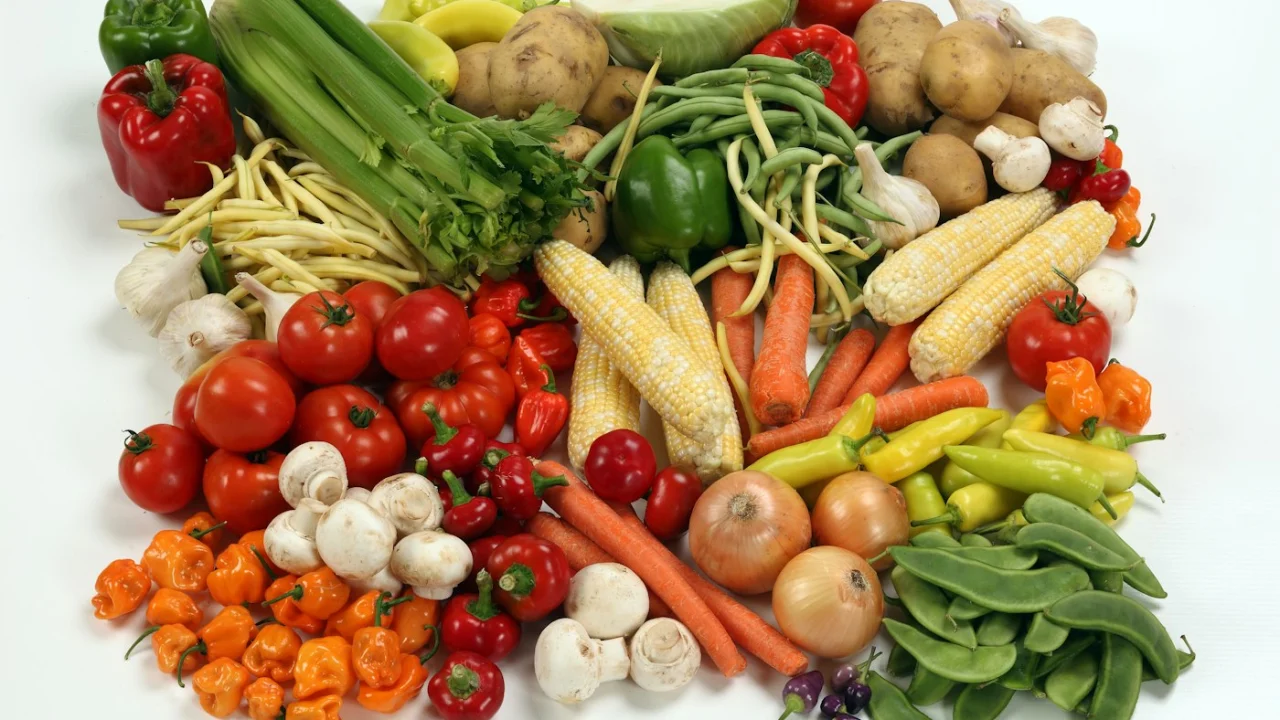
Most vegetables should be blanched, cooled, dried and pre-frozen on a tray before vacuum sealing and freezing. Blanched vegetables keep good quality for 8–12 months at 0°F. Don’t vacuum seal raw mushrooms, garlic or onions, and keep cruciferous vegetables (broccoli, cabbage, cauliflower, Brussels sprouts) for the freezer only.
Why blanch vegetables before freezing?
Vegetables contain enzymes that keep working in the freezer, slowly breaking down colour, flavour, texture and nutrients. Blanching — a brief boil or steam followed by rapid cooling — stops those enzymes. Skip it, and even perfectly vacuum-sealed vegetables can turn dull, tough or off-flavoured within weeks. Microwave blanching may not inactivate enzymes reliably, so use boiling water or steam.
Step-by-step: vacuum sealing vegetables for the freezer
- Choose fresh, firm vegetables at their peak. Wash and trim them, and cut into even pieces.
- Blanch in a large pot of boiling water (about a gallon per pound of vegetables) for the recommended time — start timing when the water returns to the boil. Steam blanching takes about 1.5 times longer.
- Cool immediately in ice water for about the same time as you blanched.
- Drain and dry thoroughly — spread on towels. Excess water forms ice and can interfere with the seal.
- Pre-freeze pieces in a single layer on a lined tray for 1–2 hours until firm. This stops the vacuum from crushing them and keeps pieces separate.
- Seal in portion-sized bags, leaving about 3 inches of headspace. Use pulse mode if your sealer has it.
- Label, date and freeze flat.
Blanching times for common vegetables
| Vegetable | Water blanching time |
|---|---|
| Broccoli florets (about 1½ in) | 3 minutes (steam 5 minutes) |
| Green beans | 3 minutes |
Times from the National Center for Home Food Preservation. Blanching times vary by vegetable and piece size — check the NCHFP freezing guide for other vegetables before you start.
Vegetables to handle with care
Cruciferous vegetables
Broccoli, cauliflower, cabbage and Brussels sprouts naturally release gases, which can cause bags to lose their vacuum in the fridge. Vacuum sealer manufacturers recommend blanching them and storing them only in the freezer.
Don’t vacuum seal these raw
Manufacturers advise against vacuum packaging raw mushrooms, garlic and onions because of the low-oxygen risk. Cook them first and freeze, or store them using conventional methods.
Leafy greens and high-water vegetables
Lettuce and cucumbers don’t freeze well and turn limp regardless of packaging. Hardier greens such as spinach or kale can be blanched and frozen for cooking.
What about vacuum sealing vegetables for the fridge?
Raw, cut vegetables continue to respire and can spoil in an airless bag. For short-term fridge storage, reusable containers with a gentle vacuum (for example, a handheld pump system) can help keep cut produce crisp for a few days, but keep them refrigerated and use them promptly.
Fruit
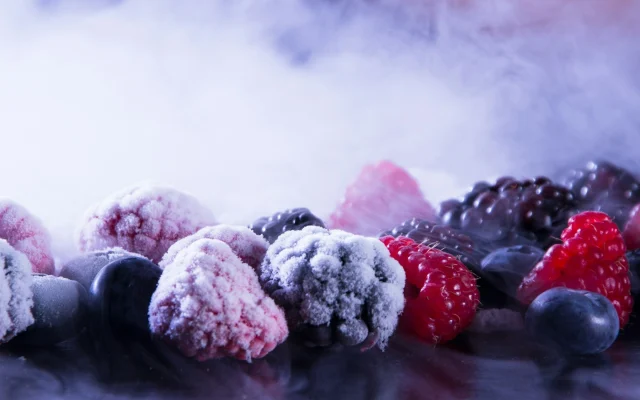
Berries and sliced fruit should be frozen on a tray until solid before sealing so they don’t get crushed; pulse mode helps. Frozen fruit is generally best used within 8–12 months.
Frequently asked questions
Can you vacuum seal fresh vegetables without blanching?
You can, but quality usually declines much faster in the freezer because enzymes stay active. A few vegetables, such as diced onions and peppers, are commonly frozen without blanching for cooking — but don’t vacuum seal raw onions, mushrooms or garlic for the fridge.
How long do vacuum-sealed vegetables last in the freezer?
Properly blanched vegetables keep good quality for about 8–12 months at 0°F.
Why do my vacuum-sealed vegetables get crushed?
Soft or unfrozen pieces collapse under vacuum. Pre-freeze them on a tray and use pulse mode to stop the vacuum early.