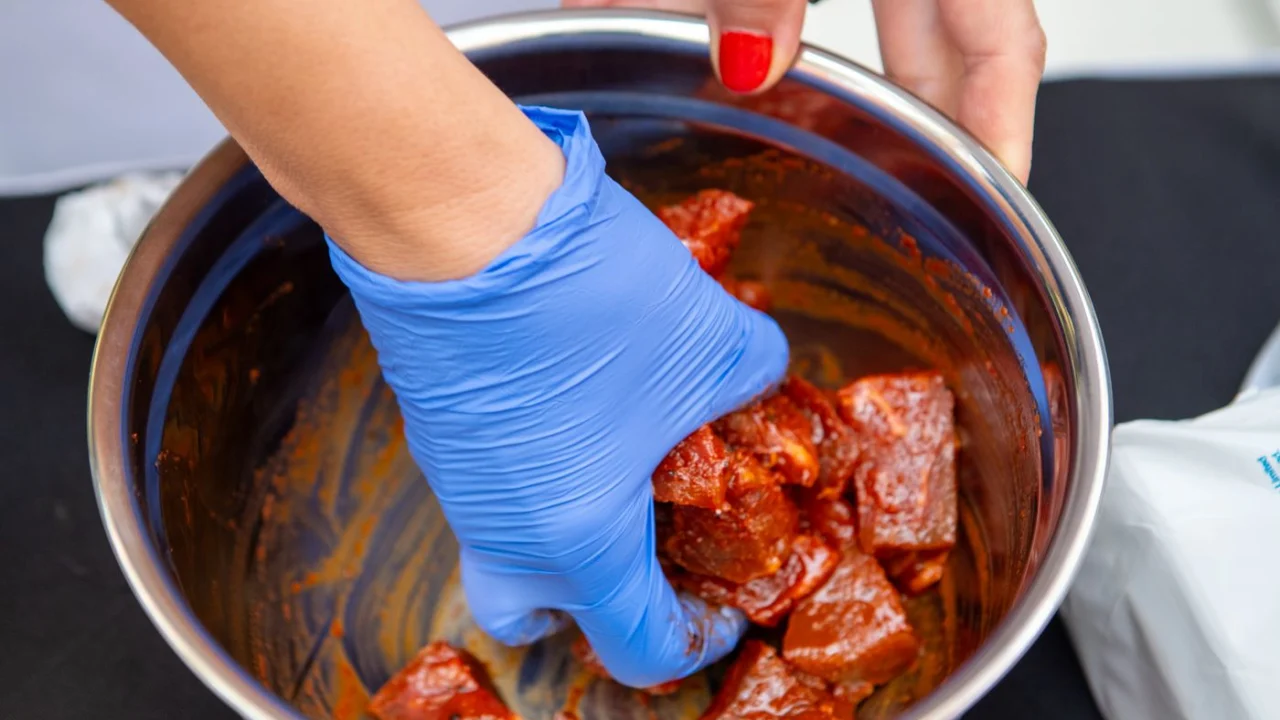
Most people buy a vacuum sealer for food storage, but it’s just as useful as a cooking tool. It’s the key to sous vide cooking, it makes marinating faster and neater, and it turns batch cooking into ready-to-reheat freezer meals.
Sous vide recipes
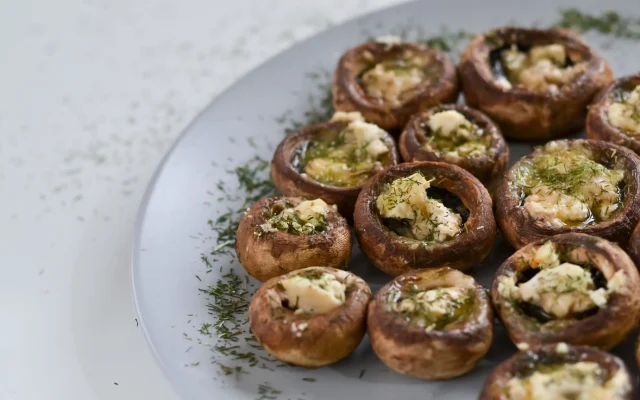
Elk (or Venison) Stroganoff Stuffed Mushrooms
Baby portobellos stuffed with a creamy, paprika-spiked ground elk stroganoff — a crowd-pleasing appetizer for hunters, plus how to vacuum seal and…
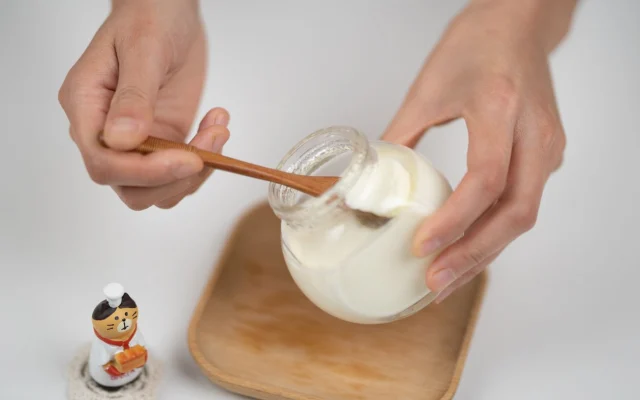
How to Make Yogurt with a Sous Vide Circulator
Your sous vide circulator holds the perfect incubation temperature, making homemade yogurt almost foolproof. Here's the method, timing and troubleshooting.
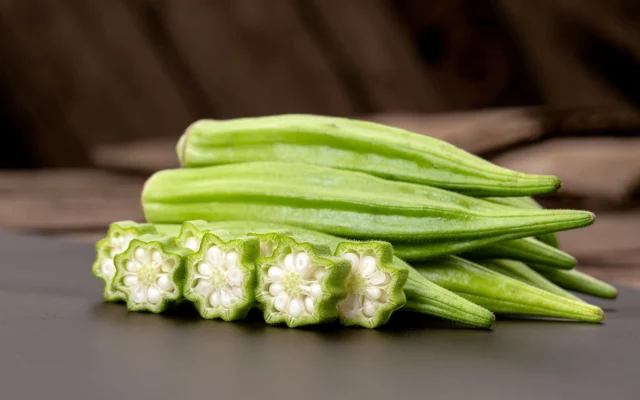
Smoky Sous Vide Okra (Crispy Pan-Seared Finish)
Okra cooked sous vide with olive oil, then tossed in smoked paprika flour and seared until crisp — a quick, punchy side…
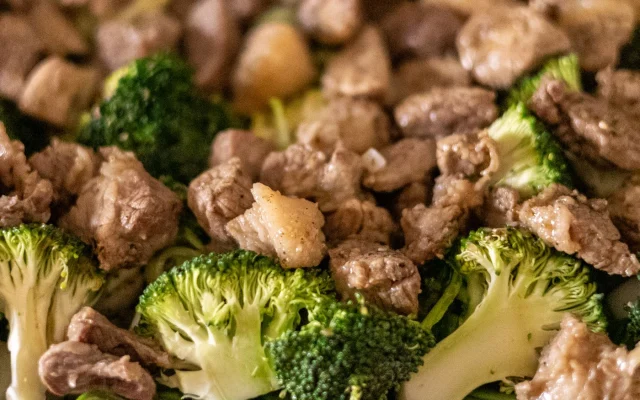
Sous Vide Beef and Broccoli Stir Fry
Tough, inexpensive stew beef turns tender after a long, low sous vide cook — then it's tossed with crisp broccoli and peppers…
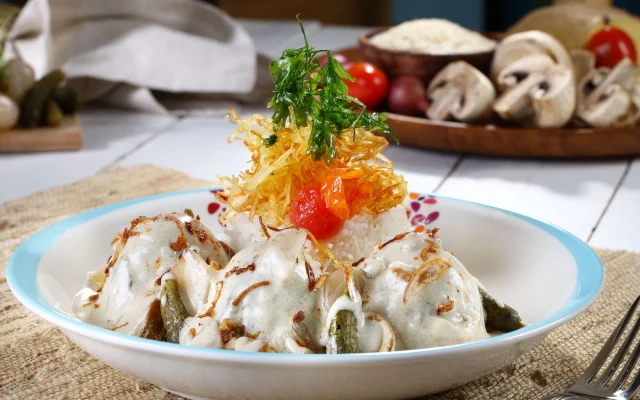
Sous Vide Chicken Marsala with Mushrooms and Pasta
Juicy sous vide chicken breasts finished in a pan sauce of cremini mushrooms, shallot and Marsala wine — a restaurant classic that's…
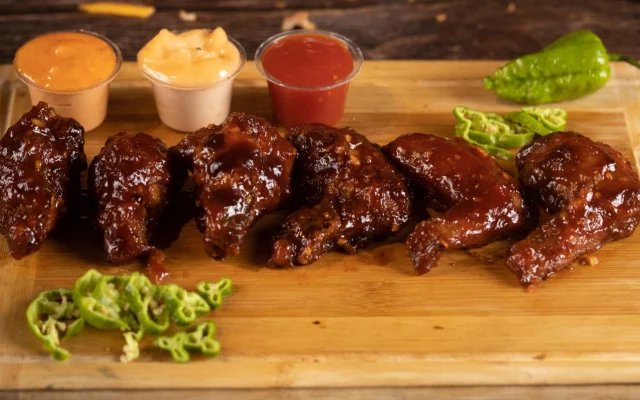
Sous Vide Chicken Wings — 4 Sauces, Crispy Finish
Cook wings sous vide in their sauce until tender, then blast them under the broiler for crispy skin. Includes honey garlic, aji…
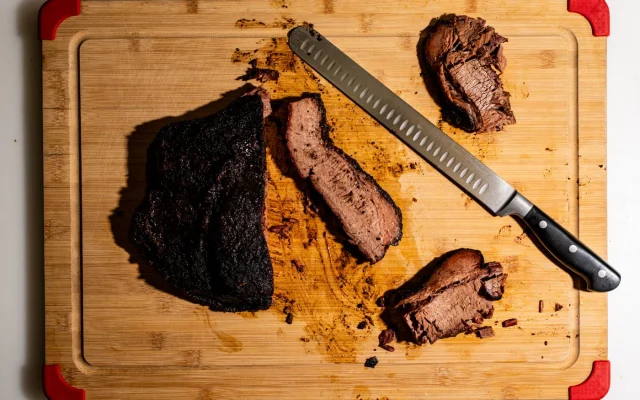
Sous Vide Corned Beef (Home-Cured Brisket)
Cure your own brisket in a spiced brine, then cook it sous vide for two days for corned beef that's tender, juicy…

Sous Vide Egg Bites with Caramelized Onions and Salmon
Silky, custardy egg bites cooked in small jars with sweet caramelized onion and flaked salmon — a make-ahead breakfast that reheats beautifully.
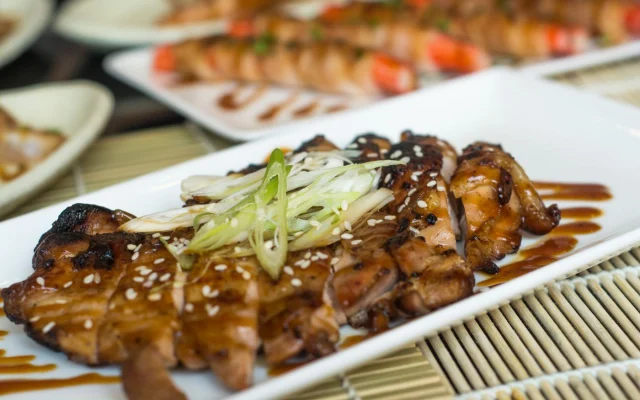
Sous Vide Maple Garlic Glazed Chicken Thighs
Bone-in chicken thighs cooked sous vide in a maple, garlic and ginger marinade, then glazed and broiled until sticky and caramelized.
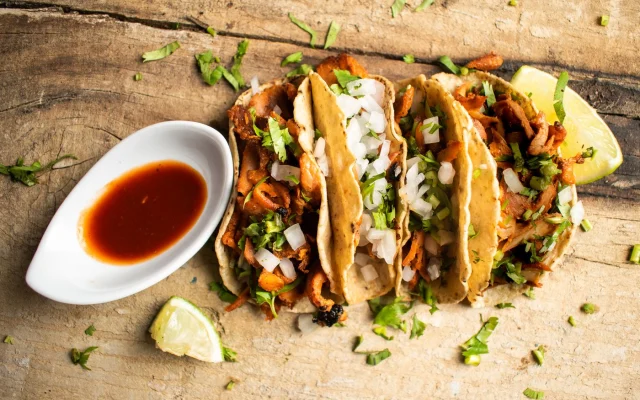
Sous Vide Pork Butt Carnitas
Pork shoulder cooked sous vide with orange, garlic, cinnamon and bacon until meltingly tender, then shredded and crisped in a hot pan…
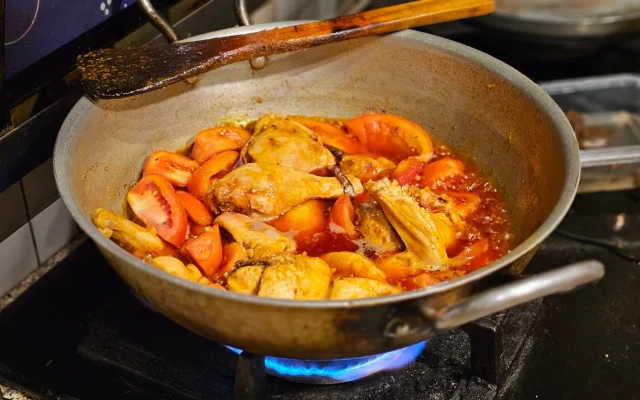
Sous Vide Rabbit in Piquant Sauce
Rabbit legs browned, sealed with a rosemary-tomato-wine sauce and cooked sous vide until tender, then finished with vinegar, capers and anchovy —…
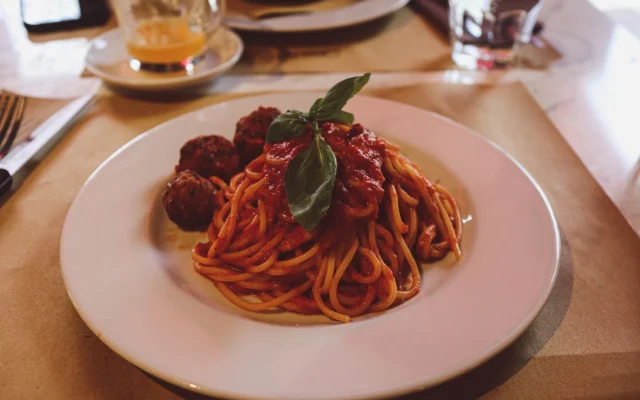
Sous Vide Spaghetti and Meatballs
Seared pork-and-beef meatballs cooked sous vide right in their tomato sauce, so they stay tender and the flavours meld as if they'd…
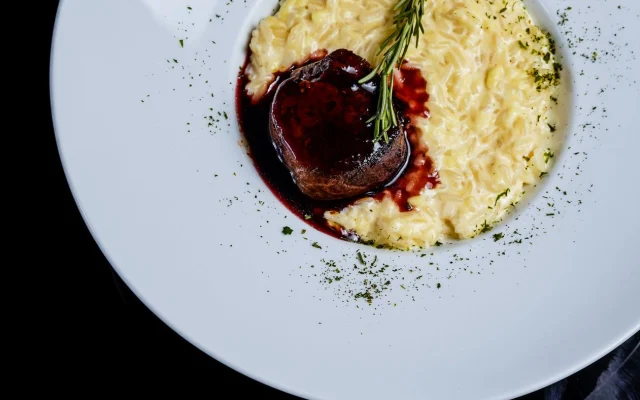
Sous Vide Venison Backstrap with Cherry Port Sauce and Goat Cheese
Perfectly pink sous vide venison loin, seared in butter and served with a cherry and port pan sauce and creamy goat cheese…
Homemade teriyaki marinade
This simple teriyaki is far better than most bottled versions and works with steak, pork chops, chicken and shrimp. Use it as a marinade in a vacuum bag or marinating canister, or thicken it into a glaze.
Recipe card
Homemade Teriyaki Marinade
Ingredients
- 1 cup (240 ml) soy sauce
- 1 cup (240 ml) water
- ¾ cup (150 g) sugar, or honey to taste
- ¼ cup (60 ml) Worcestershire sauce
- 3 tbsp (45 ml) distilled white vinegar
- 3 tbsp (45 ml) vegetable oil
- 1 tbsp onion powder
- 2 tsp garlic powder
- 1 tsp grated fresh ginger
- 1 tsp sesame seeds
- Optional: hot sauce or fresh garlic to taste
- Optional: 1 tsp cornstarch (to make a glaze)
Method
- Blend or whisk all the ingredients except the cornstarch until the sugar dissolves.
- To marinate: add enough to coat your meat in a vacuum bag or marinating canister, remove the air and refrigerate for 30 minutes to a few hours (shrimp and fish need only 15–30 minutes).
- To make a glaze: dissolve the cornstarch in a little warm water, stir it into a cup of the sauce and simmer until thickened.
- Store unused marinade in a sealed jar in the fridge for up to 2 weeks.
Notes
- Never reuse marinade that has touched raw meat unless you boil it first.
- With an external vacuum sealer, chill the bag so the liquid doesn’t reach the seal, or use a marinating canister.
Why marinate with a vacuum sealer?
Removing the air keeps the marinade in close, even contact with the food and stops it pooling in the bottom of a container — so you need less of it, and every piece is coated. Most of the flavour still stays near the surface, so don’t expect miracles with very thick cuts.