Portion dry goods into bags or jars, leave extra headspace, and use pulse mode or a jar/canister attachment for crushable or powdery foods. Put a paper towel or coffee filter inside the top of the bag for flour and powders. Store sealed dry goods somewhere cool, dark and dry.
Why vacuum seal dry goods?
- Slows staling and rancidity — oxygen dulls coffee aroma and turns nut oils rancid.
- Keeps out moisture — no clumping flour or soggy crackers.
- Blocks pantry pests.
- Makes bulk buying practical.
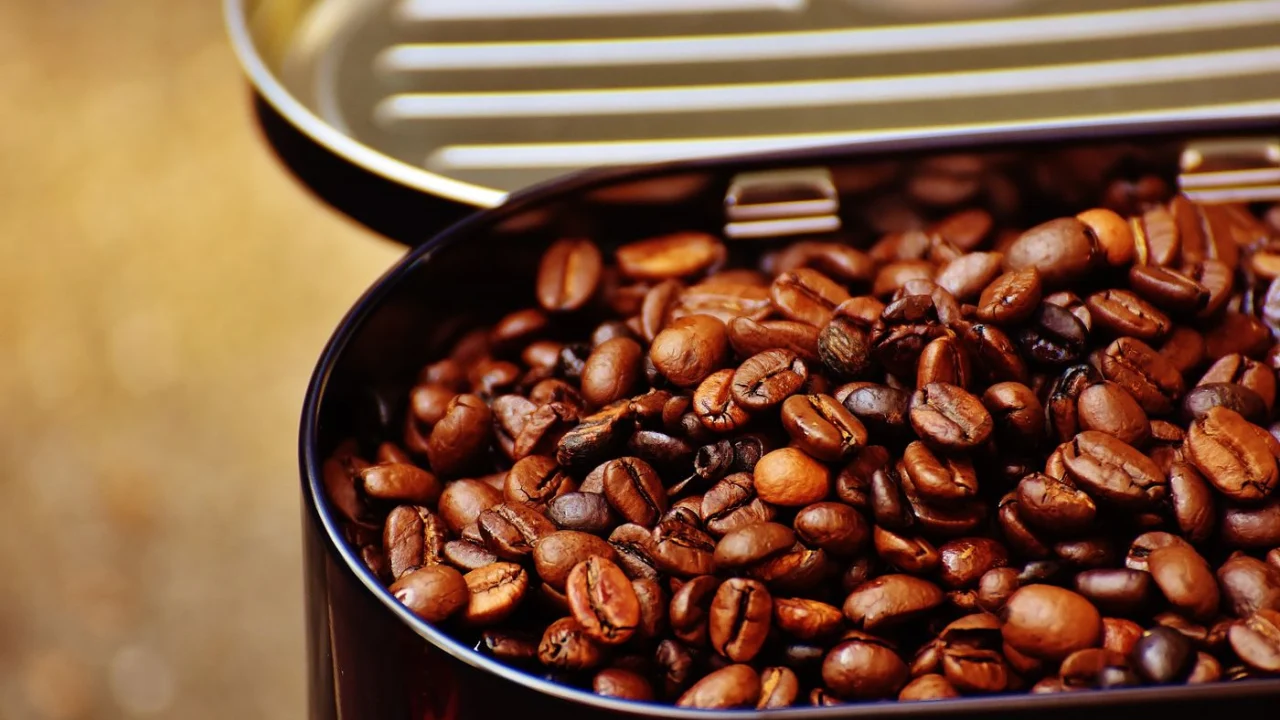
Coffee beans
- Divide beans into portions you’ll use in 1–2 weeks — every opening lets oxygen in.
- Seal in bags with pulse mode (beans are firm, but full vacuum can compress bags tightly around them), or use a canister via the accessory port.
- Store in a cool, dark cupboard. If freezing, freeze in sealed portions and let each bag reach room temperature before opening to avoid condensation.
Freshly roasted beans release CO₂ for a few days. If you roast your own, wait a couple of days before vacuum sealing, or bags may puff up.
Flour, sugar and powders
- Seal in the original paper bag placed inside a vacuum bag, or put a paper towel or coffee filter at the top of the bag to stop powder reaching the sealer.
- Use pulse and stop early — fine powders are easily drawn toward the vacuum port.
- Jars with a jar-sealer attachment are often easier.
Rice, pasta, beans and grains
These seal easily. Pad sharp pasta shapes with a paper towel to prevent punctures, and leave extra headspace.
Nuts and seeds
Their oils go rancid with air and warmth. Vacuum seal and refrigerate or freeze for the longest quality.
Crackers, chips and cereal
Use a canister or pulse gently — full vacuum turns chips to crumbs. A sealer’s seal-only function is great for resealing opened snack bags.
Bags vs jars
| Vacuum bags | Mason jars with jar sealer | |
|---|---|---|
| Best for | Bulk storage, freezer, flat stacking | Frequently opened staples, crushable foods |
| Reusable | Partly (cut and reseal) | Yes |
| Crush risk | Higher without pulse | None |
| Needs | Any sealer | Accessory port + jar attachment |
Compare jar sealer attachments on Amazon (opens Amazon in a new tab)
Vacuum sealing doesn’t make dry goods last forever — follow best-by dates and check smell and appearance. See how long vacuum-sealed food lasts.
Frequently asked questions
Should I vacuum seal coffee beans?
Yes, in small portions — it limits oxygen exposure. Avoid sealing freshly roasted beans for a couple of days while they release CO₂.
Can you vacuum seal flour?
Yes. Use pulse, stop early, and place a paper towel or coffee filter inside the top of the bag so powder doesn’t enter the sealer.
Can you vacuum seal brown sugar?
Yes — sealing helps prevent it from drying out and hardening.
Affiliate disclosure: As an Amazon Associate, we earn from qualifying purchases. This does not affect our editorial opinions or recommendations. Learn more.