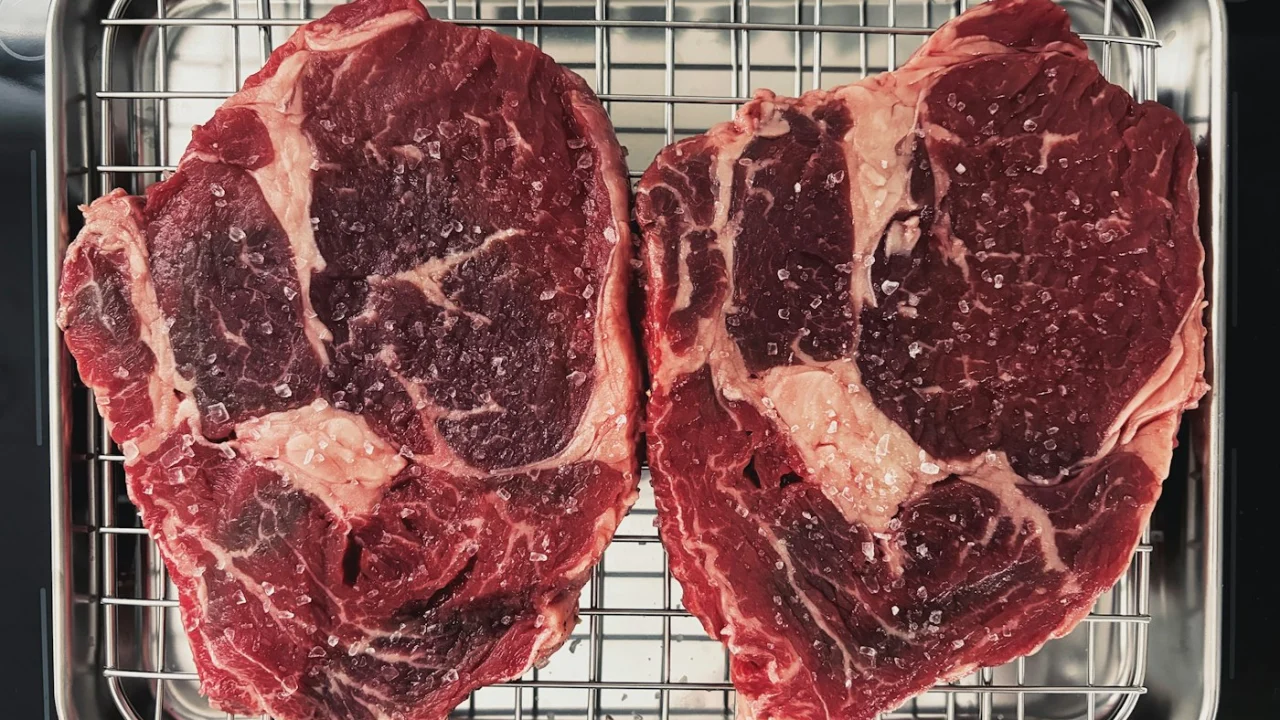
Chill the meat, pat it dry, portion it, pad sharp bones, leave about 3 inches of headspace, seal (using moist mode or pulse for juicy cuts), label with the date, then freeze flat. For fish, always open the vacuum package before thawing.
Vacuum sealing is one of the best ways to protect meat in the freezer. By removing air, it prevents the drying and oxidation that cause freezer burn, so steaks and fillets keep their texture and flavour much longer. Done carelessly, though, you get leaking seals, punctured bags and messy machines. Here’s the method that works.
What you’ll need
- A vacuum sealer (an external sealer is fine for most meat — see our best vacuum sealers)
- Embossed vacuum bags or a roll — calculate the right size
- Paper towels, a permanent marker, and a baking tray that fits in your freezer
Step-by-step: how to vacuum seal meat
- Start cold and fresh. Seal meat as soon as possible after buying, straight from the fridge (40°F / 4°C or below). Vacuum sealing preserves quality — it can’t improve meat that’s already past its best.
- Wash your hands and prep area. Keep raw meat away from the bag roll and the sealer’s trough.
- Portion it. Seal in the amounts you’ll cook at once — one meal per bag. Our portion planner helps with bulk packs.
- Pat dry. Surface moisture is the number one cause of failed seals. Blot steaks and chops with paper towels.
- Pre-freeze juicy or soft cuts. For marinated meat, ground meat or very juicy cuts, freeze on a tray for 1–2 hours until firm. This stops liquid being drawn toward the seal and keeps soft meat from being crushed.
- Pad bones. Fold a paper towel over sharp bone ends (T-bones, chops, ribs) so they don’t puncture the bag.
- Leave headspace and keep the seal area clean. Leave about 3 inches between the meat and the open end. Fold the bag mouth back like a cuff while filling so it stays clean, then unfold it.
- Seal. Lay the bag flat with no wrinkles across the seal bar. Use moist mode for damp foods, pulse for delicate items, and a double seal if your machine has one.
- Check the seal. The seal line should be even and clear with no gaps or wrinkles. Re-seal just above it if you’re unsure.
- Label and freeze flat. Write the cut, weight and date. Freeze bags flat in a single layer, then stack or file upright once solid. Log them in the Freezer Planner.
Tips by type of meat
Steaks, chops and roasts
Seal individually or side by side in a single layer. Thick cuts benefit from a little extra bag length to account for thickness.
Ground meat
Press 1 lb portions flat (about ¾ inch thick) inside the bag before sealing. Flat packs freeze and thaw quickly and stack neatly. Pre-freezing briefly helps keep a clean shape.
Poultry
Dry thoroughly and pad wing tips and drumstick ends. Whole birds are easier in a large bag or a chamber sealer.
Marinated meat
Either pre-freeze the meat in its marinade in a container and seal the solid block, or use a chamber sealer, which seals liquids directly. See how to vacuum seal liquids.
How to vacuum seal fish
Fish is delicate and, especially oily fish, loses quality quickly in the freezer — so a good seal makes a noticeable difference.
- Keep it very cold and seal as soon as possible after purchase or catch.
- Rinse if needed and pat completely dry.
- Pre-freeze fillets on a tray until firm so they hold their shape and don’t release liquid during sealing. Pulse mode helps avoid crushing.
- Seal, label and freeze flat.
Clostridium botulinum can grow in low-oxygen packaging. Michigan State University Extension advises opening vacuum-packed fish before thawing — cut the bag open or remove the fish, then thaw it in the refrigerator. Never thaw vacuum-sealed fish at room temperature.
How long does vacuum-sealed meat last?
The table below shows FoodSafety.gov guidance. Freezer times are for best quality — meat kept constantly at 0°F stays safe indefinitely. Vacuum sealing helps you reach the longer end of these ranges by preventing freezer burn; it does not safely extend refrigerator times for raw meat.
| Food | Refrigerator (40°F) | Freezer (0°F, quality) |
|---|---|---|
| Steaks | 3–5 days | 6–12 months |
| Chops | 3–5 days | 4–6 months |
| Roasts | 3–5 days | 4–12 months |
| Ground meat | 1–2 days | 3–4 months |
| Chicken pieces | 1–2 days | 9 months |
| Whole chicken | 1–2 days | Up to 1 year |
| Lean fish | 1–2 days | 6–8 months |
| Fatty fish | 1–2 days | 2–3 months |
Source: FoodSafety.gov cold food storage chart. See our full food storage reference guide.
Thawing vacuum-sealed meat safely
- Refrigerator: the safest method; allow a day for most portions.
- Cold water: submerge the sealed bag in cold water and change the water every 30 minutes; cook immediately afterwards. (Open fish packages first, as above.)
- Microwave: only if cooking immediately.
Never thaw meat on the counter or in hot water.
Best sealers for meat
If you seal meat in bulk, a fan-cooled machine with a wide seal bar saves time; for marinated meat, a chamber sealer is easiest.
A stainless, fan-cooled external sealer with a double-piston pump and 12 in seal bar, built for long sessions of sealing meat and fish. Affiliate link. Prices and availability change — check Amazon for current details. A 130-watt double-pump external sealer with dry, moist and optional double-seal settings plus built-in roll storage and a cutter — a well-rounded choice for weekly sealing. Affiliate link. Prices and availability change — check Amazon for current details.Avid Armor A100 Vacuum Sealer
Nesco VS-12 Deluxe Vacuum Sealer
Frequently asked questions
Should I freeze meat before vacuum sealing?
For juicy, marinated, soft or delicate cuts — including ground meat and fish — a short pre-freeze on a tray (1–2 hours) helps keep liquid away from the seal and stops the vacuum from crushing the meat. Firm, well-dried steaks can be sealed straight from the fridge.
Does vacuum-sealed meat last longer in the fridge?
Vacuum sealing can help slow quality loss, but federal guidance doesn’t extend refrigerator safety times for raw meat, poultry or fish because harmful bacteria can still grow without oxygen. Follow standard fridge times and freeze what you won’t use promptly.
Why did my meat bag lose its vacuum in the freezer?
Usually a puncture from a bone, a weak seal caused by moisture or a wrinkle, or a bag that was handled roughly while frozen. Pad bones, dry the seal area and double-seal if your machine allows.
Can I cook vacuum-sealed meat sous vide in the same bag?
Yes, if the bag is rated for sous vide or simmering and the seal is intact. Follow safe time and temperature guidelines for the cut you’re cooking.