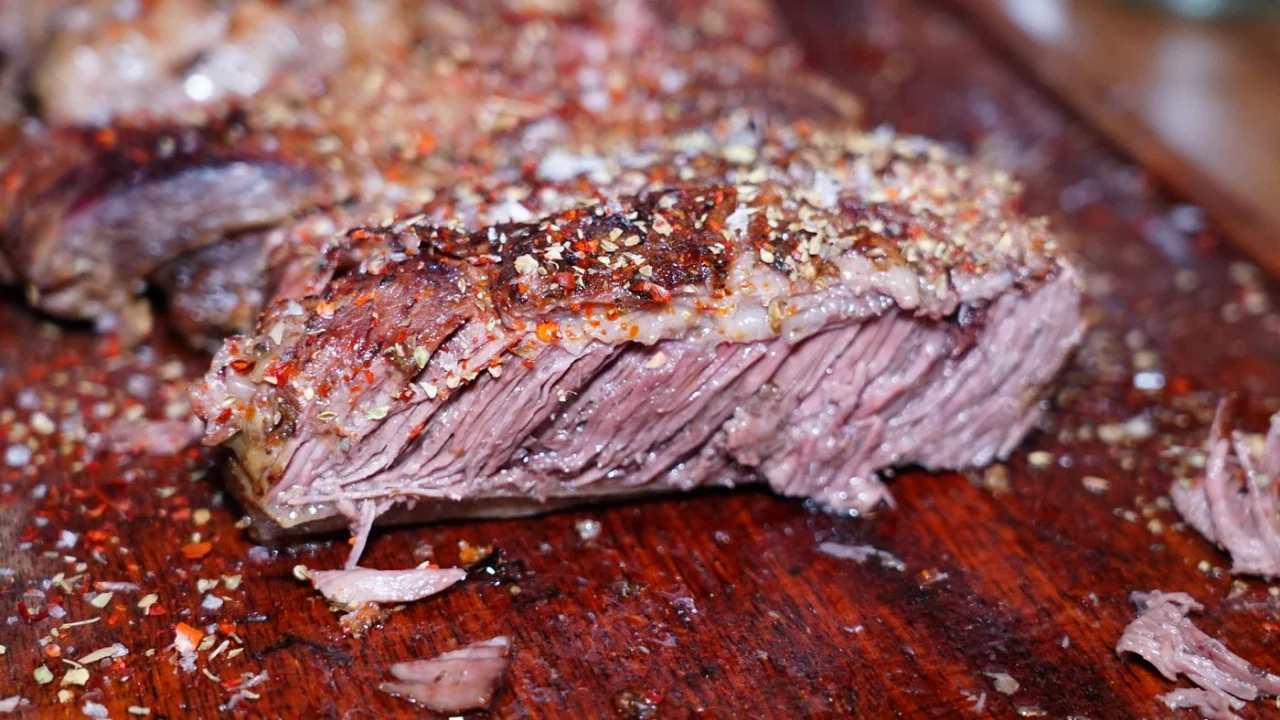
Sous vide (French for “under vacuum”) means sealing food in a bag and cooking it in a water bath held at a precise temperature. Because the water never gets hotter than your target, food can’t overshoot: a steak cooked at 131°F is medium-rare from edge to edge, and chicken breast stays juicy instead of drying out.
It’s the reason many people discover vacuum sealers in the first place — and the two tools work brilliantly together.
How sous vide works
- Season and seal the food in a vacuum bag (or a zip-top bag using the water-displacement method).
- Cook it in a water bath held at the exact final temperature you want, using an immersion circulator.
- Finish with a quick, very hot sear, grill or broil for colour and flavour.
Cooking times are longer than conventional methods — typically 1–4 hours for steaks and chicken, and up to 48–72 hours for tough cuts like brisket or short ribs — but most of that time is hands-off.
Why use a vacuum sealer for sous vide?
- Better heat transfer. A tight bag with no air pockets touches the food everywhere, so it cooks evenly.
- Bags don’t float. Trapped air makes bags rise out of the water, leaving parts undercooked.
- Long cooks need strong seals. Heat-sealed bags are more reliable than zip-tops over 24+ hours.
- Batch prep. Season and seal portions in advance, freeze them, and cook straight from frozen (add about 50% to the time).
Seals that hold for hours in hot water matter most; a moist mode and double-seal option help with marinated foods. See our best vacuum sealer for sous vide, or the chamber vs external guide if you cook with a lot of liquid.
Choosing a sous vide circulator
An immersion circulator clips to any pot or container, heats the water and circulates it to keep the temperature even. Popular brands include Anova, Breville (Joule) and Inkbird. When comparing models, look at:
- Power (watts) — higher wattage heats water faster.
- Maximum water volume — important for large batches and big cuts.
- Controls — on-device controls versus app-only models.
- Clamp and size — whether it fits your pots and stores easily.
- Warranty and support.
Useful accessories
- A dedicated container (12-quart polycarbonate tubs are common) with a lid or insulating balls to reduce evaporation on long cooks.
- A rack or clips to keep bags separated and submerged.
- A cast-iron pan, grill or torch for the final sear.
- Bags rated for cooking — check that your vacuum bags are rated for simmering or sous vide temperatures.
Sous vide and food safety
- Time and temperature both matter. Lower temperatures need longer holds to make food safe. Use reputable time-temperature tables, and follow USDA minimum temperatures if you’re cooking for anyone who is pregnant, very young, older or immunocompromised.
- Don’t cook below about 130°F (54.4°C) for more than a short time — that’s the zone where bacteria can grow.
- Botulism risk is about storage, not cooking. Sous vide doesn’t kill C. botulinum spores, which thrive without oxygen. If you cook food to store for later (“cook-chill”), cool it rapidly in ice water and refrigerate at 38°F or below, or freeze it. Don’t leave sealed cooked food at room temperature.
- Keep bags fully submerged and check that seals haven’t failed during long cooks.
Start cooking
Ready to try it? Browse our sous vide recipes — from chicken wings to 48-hour corned beef.