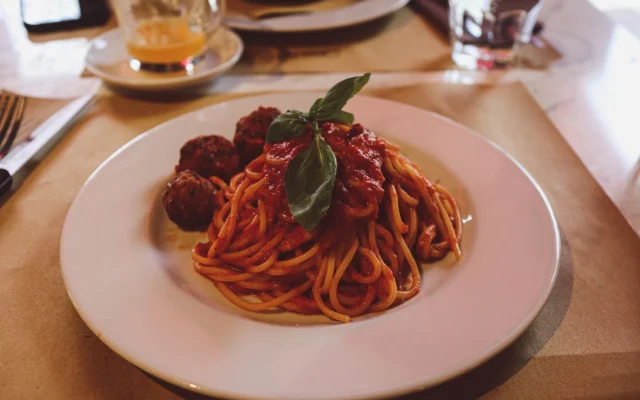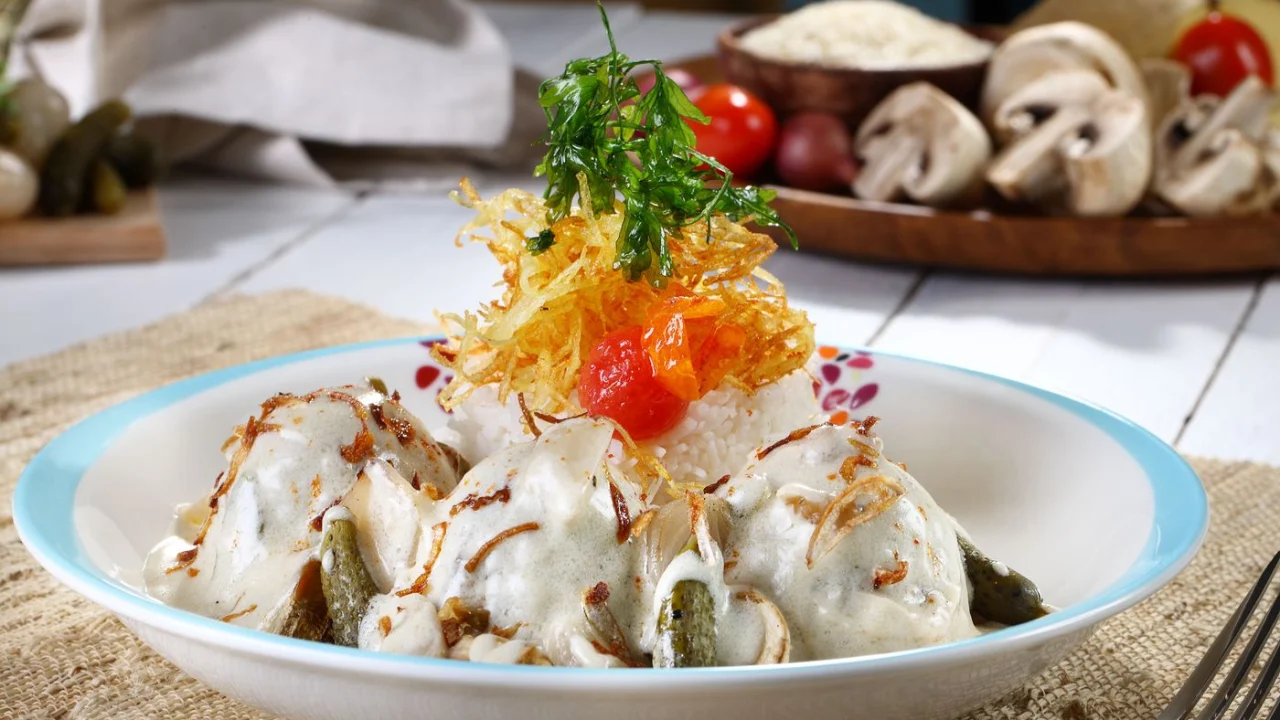
Chicken Marsala is all about the sauce — but the classic method often leaves the chicken dry by the time the sauce is ready. Cooking the breasts sous vide first solves that: they come out evenly juicy, and all that’s left is a quick sear and a five-minute pan sauce.
Recipe adapted, with thanks, from Paul Palop of That Other Cooking Blog.
Season and vacuum seal chicken breasts, cook at 140°F (60°C) for about 2 hours (for breasts up to about 1 inch thick), then dry, flour and sear them. Brown mushrooms, soften a shallot, deglaze with stock and dry Marsala, reduce, finish with butter and toss with pasta.
Recipe card
Sous Vide Chicken Marsala
Ingredients
- 2 large boneless, skinless chicken breasts
- Salt and freshly ground black pepper
- 1 lb (450 g) cremini mushrooms, sliced
- 1 large shallot, finely diced
- 1 clove garlic, minced
- 1 cup (120 g) all-purpose flour for dredging, plus ½ tsp to thicken the sauce
- 1 cup (240 ml) chicken stock
- 1 cup (240 ml) dry Marsala wine
- 1 tbsp unsalted butter
- 2 tbsp chopped fresh parsley
- 8–9 oz (250 g) long pasta such as linguine or spaghetti
- Neutral oil for searing
Method
- Preheat your sous vide water bath to 140°F (60°C).
- Season the chicken generously with salt, place in a vacuum bag in a single layer and vacuum seal.
- Cook in the water bath for about 2 hours (up to 3 hours is fine).
- Meanwhile, brown the mushrooms in a little oil over medium-high heat, in batches so they sear rather than steam. Set aside.
- Remove the chicken from the bag and pat very dry with paper towels.
- Season the flour with ½ tsp each of salt and pepper, dredge the chicken and shake off the excess.
- Sear the chicken in the same pan over medium-high heat until golden on both sides, about 1–2 minutes per side. Set aside.
- Lower the heat to medium, add the shallot and cook for 2–3 minutes until soft, then add the garlic for 30 seconds.
- Deglaze with the stock and Marsala, scraping up the browned bits, and reduce by about half.
- Return the mushrooms, add the butter and the ½ tsp flour, and simmer until glossy and syrupy. Stir in half the parsley.
- Cook the pasta in well-salted water until just al dente, drain and toss into the sauce for a minute.
- Slice the chicken, serve over the pasta and spoon over extra sauce. Garnish with the remaining parsley.
Notes
- Thicker breasts (over 1¼ in) need longer — add 30–60 minutes.
- Use dry Marsala, not sweet, for a savoury sauce.
Why cook chicken breast sous vide?
Chicken breast is lean and goes from juicy to dry within a few degrees. A precisely controlled water bath cooks the whole piece to the same temperature from edge to centre, so there’s no overcooked outer layer. A short, hot sear afterwards adds colour and flavour.
Is 140°F chicken safe?
The USDA’s standard advice is to cook poultry to 165°F (74°C), which kills bacteria instantly. Sous vide uses the time-and-temperature principle instead: holding chicken at a lower temperature for long enough achieves the same reduction in bacteria. At 140°F, that takes considerably longer than at 165°F, so the 2-hour cook (after the chicken reaches temperature) matters — don’t shorten it.
If you’re cooking for anyone who is pregnant, elderly, very young or immunocompromised, or you prefer to follow standard guidance, cook at 150°F (66°C) or higher, or finish to 165°F.
Make ahead, freeze and reheat
- Cook-chill: after cooking, plunge the sealed bag into ice water for 30 minutes, then refrigerate for up to 3–4 days. Reheat in a 130–140°F bath before searing.
- Freeze leftovers: cool the chicken and sauce, freeze flat in a bag until firm, then vacuum seal so the sauce isn’t drawn toward the sealer. Use within 2–3 months for best quality. See how to vacuum seal liquids.
Frequently asked questions
Can I use chicken thighs instead of breasts?
Yes. Boneless thighs are more forgiving and many cooks prefer them at 150–165°F (66–74°C) for 1½–3 hours for a more tender, less “pink” texture.
What can I use instead of Marsala wine?
Dry Madeira or a dry sherry are the closest substitutes. For an alcohol-free version, use extra chicken stock with a splash of balsamic vinegar and a pinch of sugar.